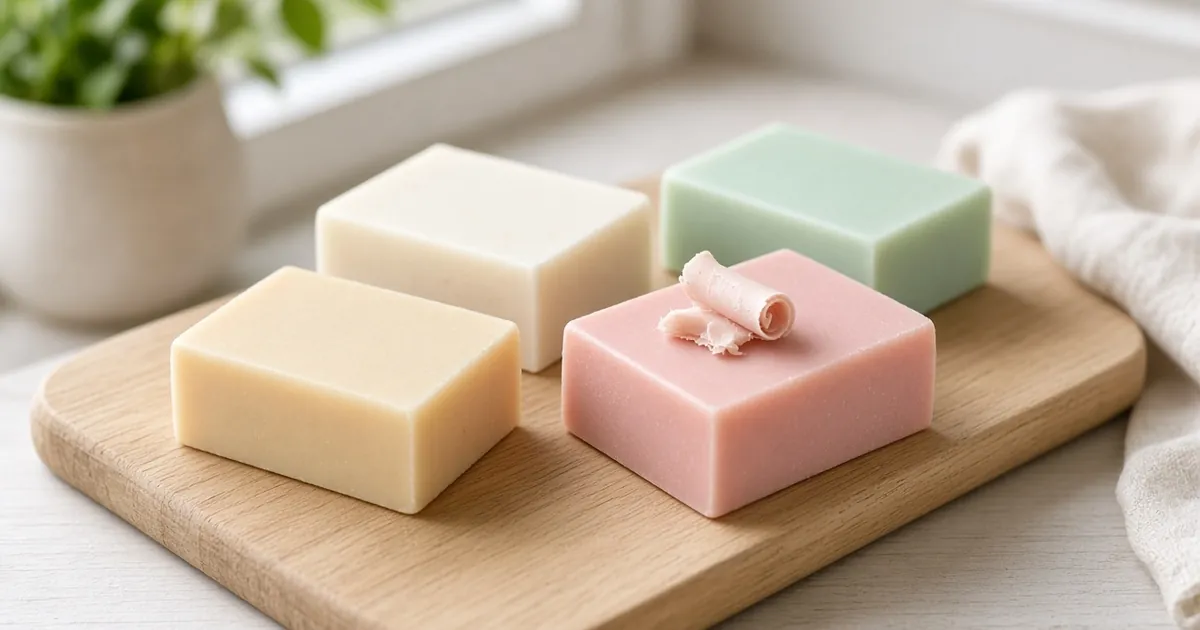
The best soap for soap carving is a firm, plain, opaque bar with flat faces: it holds a corner, gives a clean curl, and shows your pencil lines. A classic white bath bar such as Ivory is the long-standing beginner choice in the US; in the Philippines, many school projects use a plain white bar such as Perla. Whatever you buy, give it the two-minute one-curl test below before you draw a design. The way a bar behaves under the knife matters more than its brand.
The right bar is not the fanciest one. You want predictable resistance: a material that lets you redraw a line without fighting back.
Quick answer: what to look for in a carving bar
- Firm, not hard. It keeps a corner when you press lightly but doesn’t need force.
- Opaque and pale. White or cream shows pencil marks and shallow shadows.
- Flat, wide faces. Rectangular bars give you more room than rounded or tapered ones. (wikiHow’s guide also points beginners to rectangular bars.)
- Plain surface. No swirls, glitter, exfoliating bits or embedded botanicals.
- Low or no fragrance. That keeps a long session comfortable.
- A clean curl. One shaving from a spare corner should come off dry and in one piece.
Best soap types for carving art, compared
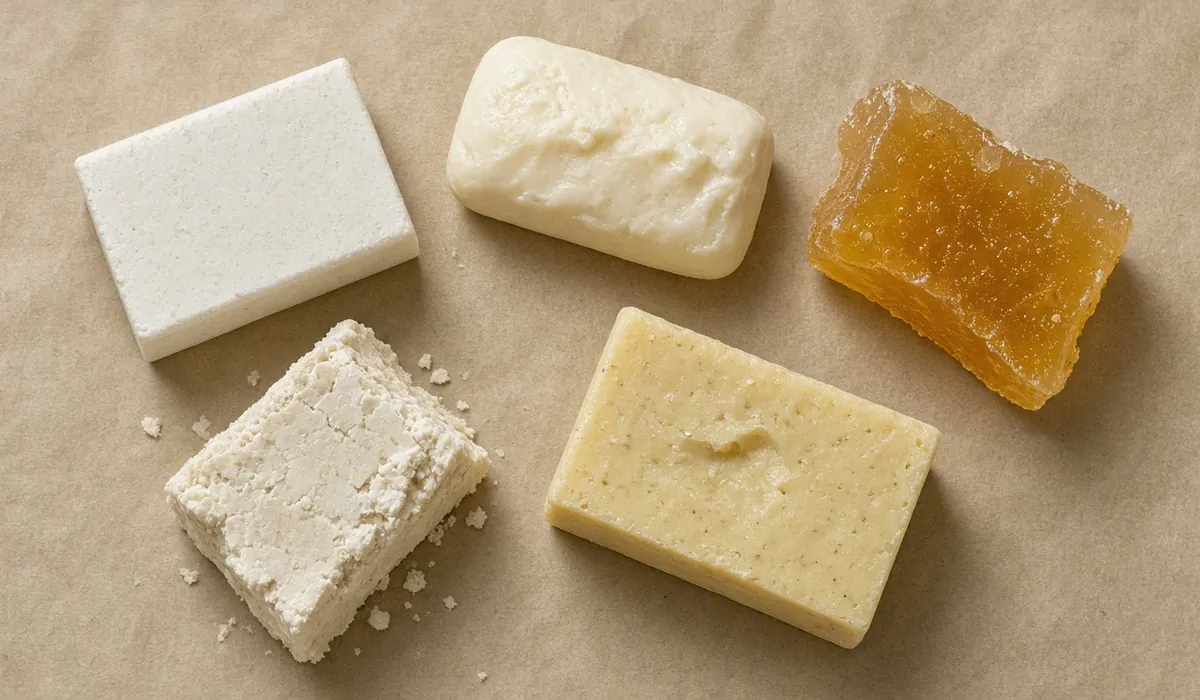
There’s no single best bar for every design. Pick the soap type that matches how much detail you need, then confirm it with the one-curl test.
| Soap type | Good fit | Watch for |
|---|---|---|
| Firm, opaque, plain bath bar | First projects, animals, relief, clean silhouettes | The most dependable default, but still test a corner |
| Soft or moisturizing “beauty” bar | Broad, rounded forms and shallow cuts | Can smear, stretch or lose a thin outline |
| Clear or glycerin bar | Color-led or translucent experiments | Tool marks show; tiny details are less forgiving |
| Dry, brittle or very cold bar | Wide outlines once it’s back at room temperature | Chips and cracks. Use less pressure, not a sharper push |
| Plain white laundry bar | Firm, flat-faced school projects | Made for laundry, not skin. Wash hands after and skip it for sensitive skin |
Firm opaque bar: the best default
A plain, opaque bath bar is the best soap to carve for most beginners. It usually works with a rounded butter knife, takes pencil well and shows relief clearly. Unscented is the most comfortable choice. A lightly scented bar is fine if it passes the curl test.
Soft or moisturizing bars: forgiving only at first
Soft soap is not automatically forgiving. It can feel easy for the first few cuts, then smear when you turn a corner. If that’s what you have, choose wide shapes such as a heart or leaf and keep cuts shallow.
Clear and glycerin soap: a later experiment
Glycerin soap is lovely for color and light, but it reads differently from an opaque bar and shows every tool mark. Treat it as a material for a specific look, not something you need in order to learn.
Brands people actually carve with
We don’t rank brands. Formulas, sizes and shapes change, and two bars sold under similar names can cut differently. As a starting point, these are the bars that keep coming up in carving guides and classrooms:
- Ivory (original bar). wikiHow’s soap carving guide calls inexpensive Ivory “good for practice.” Many homeschool and museum activities use a plain white bar like it. Ivory has air whipped in during manufacturing (that’s why it floats), so it cuts easily but can crumble on very thin points.
- Other plain white bath bars. A store-brand or unscented white bar with flat faces often behaves much the same. Judge the bar, not the label.
Best soap for soap carving in the Philippines
If you’re carving for a school art project in the Philippines, these are the bars most often mentioned:
- Perla (Original White). A coconut-oil–based white bar that’s widely used in school soap carving, and it appears on Grade 7 soap carving lesson-plan materials lists. Many students like its flat, rectangular shape. Perla is a laundry soap, though, so have children wash their hands after carving and switch to a bath bar if the soap bothers their skin.
- Plain white bath bars sold on Lazada and Shopee, for example white Safeguard variants or Ivory, which local “best soap for carving” roundups also list. Run the one-curl test on these too, because rounded bars give you less flat surface to work on.
Tip for school projects: buy one bar first, test it, then buy your project bars. Keep a spare in case a thin part breaks the night before it’s due.
Run the one-curl test before you commit
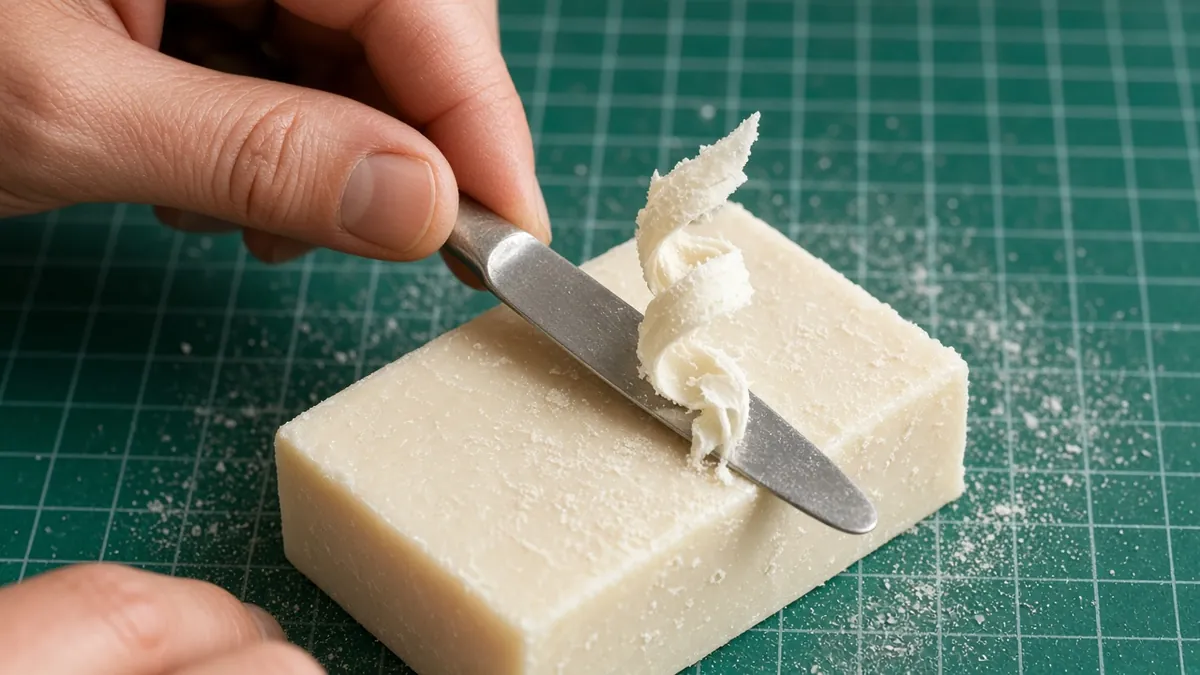
- Set up dry. Put the bar on a dry towel at room temperature. Water changes how the soap grips and how the surface looks.
- Shave one curl from a spare corner. Use the rounded edge of a butter knife and keep the curl shorter than your thumb.
- Rotate and repeat. Try a second direction and one shallow line across a flat face.
- Read the result. If the shaving holds together and the surface stays matte, the bar is ready. If you needed to push, stop: a good starter bar never needs force.
| What you notice | Likely cause | First move |
|---|---|---|
| Knife leaves a glossy smear | Bar is too soft or warm | Let it rest and cool, or choose a firmer bar |
| Surface chips into grains | Bar is too brittle or cold | Use less pressure and a wider outline |
| Pencil line disappears | Very soft or waxy surface | Score the outline lightly with a toothpick |
| Color hides the relief | Low contrast | Work shallow and check it from the side |
Comparing two bars
Give each bar the same three moments: one corner curl, one shallow line and one turn around an edge. The better bar is the one that behaves the same way each time, not the one that feels softest at first.
Fresh or dried-out soap?
Advice differs. Some homeschool guides suggest unwrapping a bar for a few days so it’s less messy, while wikiHow warns that very dry soap is more brittle. Both can be true. A short airing can firm up a soft, damp-feeling bar, but an old, cracked bar will chip. Let the curl test decide. If a bar is fine fresh, carve it fresh.
What to carve with your first good bar
A firm bar is ready for a clear silhouette project:
- Fish soap carving: a 15-minute silhouette with room to learn
- Easy soap cat carving: a seated cat with sturdy ears
- Printable soap carving templates: trace a shape instead of drawing freehand
You’ll also want a small, safe kit. See soap carving tools for beginners.
FAQ
What is the best soap for soap carving for beginners?
A firm, opaque, plain bar with flat faces, such as a classic white bath bar. It holds corners, shows pencil lines and gives a clean shaving. Unscented is the most comfortable default.
What soap types are best for carving art?
For most carving art, a firm opaque bar is the most dependable type for relief and clean silhouettes. Soft or moisturizing soap suits broad, shallow forms. Clear or glycerin soap is best for color or translucent effects. Brittle or cold soap needs wider outlines and less pressure.
What is the best soap for soap carving in the Philippines?
Perla Original White is the bar most often used for school soap carving in the Philippines because it’s firm and flat-faced. It’s a laundry soap, so wash your hands afterward. Plain white bath bars from Lazada or Shopee, such as white Safeguard or Ivory variants, are common alternatives. Test any bar with one curl first.
Is Ivory soap good for carving?
Yes. Ivory is a common beginner bar that’s easy to find and cuts easily. Because it has air whipped into it, very thin points can crumble, so keep features sturdy.
Can I carve any bar of soap?
You can test almost any bar, but very soft, heavily moisturizing, brittle or textured soaps need broader shapes and shallower cuts. Let the one-curl test tell you whether to adapt the design or switch bars.
Is glycerin soap good for carving?
It works for color and translucent effects, but it shows tool marks and is less forgiving with fine details. Try it after you’ve finished a project in an opaque bar.
Should soap be cold or warm when carving?
Carve at a comfortable room temperature and keep the bar dry. A bar warmed in your hand gets softer. If it starts to smear, set it down for a few minutes.
Between sessions: store the good bar simply
Keep uncarved bars in their wrapper or somewhere clean and dry, away from splashes and heat. Don’t seal a damp bar in a closed container. For finished pieces, see how to store, finish and display a soap carving.